Do you ever find yourself staring at your to-do list, feeling a familiar pang of overwhelm, even though your day isn't dictated by rigid appointments? This common scenario highlights a critical truth: a freeform daily schedule, while offering flexibility, still demands effective Prioritizing Tasks and Goals within a Freeform Daily Schedule. Without a deliberate approach, that freedom can quickly devolve into procrastination, missed opportunities, and the nagging feeling that you're always busy but rarely productive.
In fact, the average person spends approximately 55 minutes per day just deciding what to work on next. That's nearly an hour lost to indecision – time you could be reclaiming for meaningful work, personal growth, or simply enjoying your downtime. This guide isn't about shoehorning your dynamic life into a rigid planner; it's about equipping you with the strategies to wield your flexibility as a superpower, ensuring your most important tasks and goals consistently rise to the top.
At a Glance: Your Blueprint for Intentional Action
- Combat Overwhelm: Learn to break down your workload and focus on what truly matters.
- Reclaim Lost Time: Stop wasting nearly an hour daily on task selection.
- Boost Productivity: Discover techniques that cut through the noise and deliver results.
- Achieve Your Goals: Understand how clear prioritization directly fuels goal attainment.
- Reduce Stress: Gain a sense of control and accomplishment in your day.
- Flexibility is Key: Adapt powerful frameworks to suit your unique, freeform schedule.
The Myth of Multitasking and the Power of Focus
Before we dive into techniques, let's address a pervasive myth: multitasking. Many believe they're more productive juggling multiple tasks simultaneously, but research shows it can actually decrease productivity by up to 40%. Our brains aren't wired for true parallel processing; we're rapidly context-switching, and each switch comes with a cost. It can take an average of 23 minutes to regain focus after an interruption.
The real power lies in focused attention. By intentionally prioritizing, you're not just organizing tasks; you're committing to single-tasking, allowing you to dive deep and produce higher quality work in less time. This commitment starts with clarity on what actually needs your attention.
Building Your Foundation: The Daily Checklist, Refined
A freeform schedule doesn't mean a lack of structure; it means choosing your structure. The daily checklist is your fundamental tool, but it needs to be built intelligently.
- Brain Dump Everything: Start by clearing your mental clutter. Write down every single task, big or small, personal or professional, that's rattling around in your head. Don't filter, just list. This process alone can significantly reduce anxiety.
- Break Down Large Tasks: A task like "Write Report" feels daunting. Break it into actionable, bite-sized pieces: "Outline report," "Research Section 1," "Draft Introduction," "Edit Conclusion." This makes tasks less intimidating and easier to start.
- Add Details That Matter: For each task, briefly note any crucial information: estimated time, hard due date, and any dependencies (e.g., "Need feedback from Sarah before starting X"). This context is vital for smart prioritization.
- Categorize for Clarity: Grouping tasks can reveal patterns. Consider categories like:
- Context: Work, Home, Personal Growth.
- Energy Level: High Focus, Medium Effort, Low Effort/Admin.
- Location: Desk, Errands, Calls.
This helps you batch similar tasks or assign them to appropriate times in your freeform day.
- Choose Your Medium Wisely: Whether it's a physical notebook, a digital app like Todoist or Asana, or a simple whiteboard, choose a system that keeps your checklist visible, accessible, and enjoyable to use. The best system is the one you'll actually stick with.
Mastering Your Priorities: Proven Frameworks for a Flexible Day
Once you have your comprehensive list, it's time to apply powerful prioritization frameworks. Remember, the goal isn't to use all of them all the time, but to have a toolkit you can draw from based on the demands of your day.
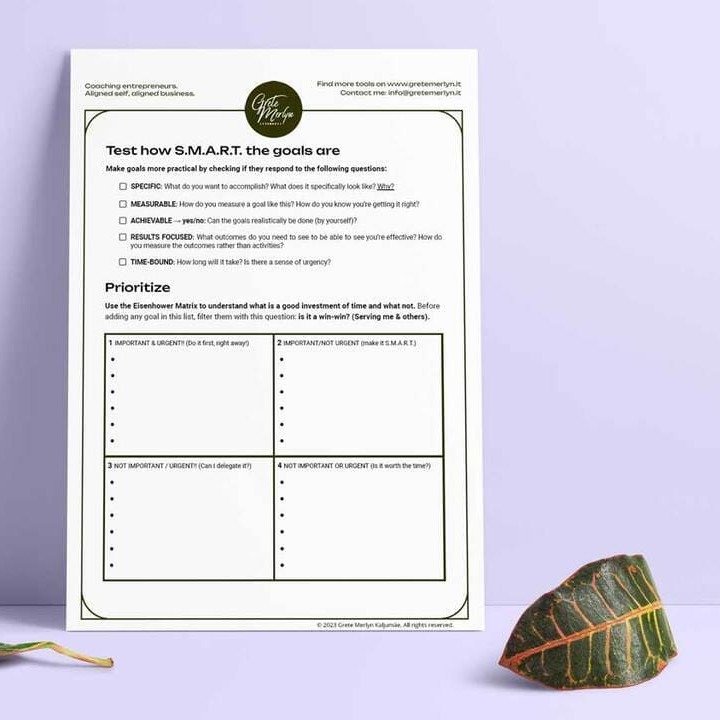
1. The Eisenhower Matrix: Urgent vs. Important
This classic method, attributed to President Dwight D. Eisenhower, helps you differentiate between tasks that demand immediate attention and those that contribute to long-term goals. Create four quadrants:
- Urgent & Important (Do Immediately): Crises, deadlines, critical problems. These are your absolute top priorities. (e.g., A project with a deadline in hours).
- Important but Not Urgent (Schedule for Later): Planning, relationship building, new opportunities, long-term goals. These often fall by the wayside but are crucial for future success. (e.g., Developing a new strategy).
- Urgent but Not Important (Delegate): Interruptions, some emails, minor requests. Can someone else handle this? (e.g., Answering a routine phone call).
- Not Urgent nor Important (Eliminate): Time wasters, distractions, busywork. These tasks don't contribute to your goals and should be cut.
2. The ABCDE Method: A Simple Ranking System
For a quick, sequential prioritization of your daily to-do list, the ABCDE method is remarkably effective. Assign each task a letter based on its consequence:
- A - Must Do: Tasks with serious consequences if not completed. (e.g., Pay rent, finish a client presentation).
- B - Should Do: Tasks with minor consequences if not completed. (e.g., Respond to a non-urgent email, organize your desk).
- C - Nice to Do: Tasks with no real consequences. (e.g., Read industry news, grab a coffee with a colleague).
- D - Delegate: Tasks you can hand off to someone else, freeing up your time.
- E - Eliminate: Tasks that don't contribute to your goals or simply aren't worth the effort.
Focus on completing all 'A' tasks before moving to 'B's, and so on.
3. The 80/20 Rule (Pareto Principle): Maximize Impact
Named after economist Vilfredo Pareto, this principle suggests that roughly 80% of your results come from 20% of your efforts. The challenge is identifying that vital 20%. Look at your task list and ask:
- Which tasks, if completed, would have the biggest positive impact?
- Which tasks directly move me closer to my most important goals?
- Which tasks would make other tasks easier or unnecessary?
Focus your energy on those high-impact tasks. This rule is a powerful reminder that busyness does not equal productivity.
4. "Eat the Frog": Tackle the Hardest Task First
Coined by Brian Tracy, this strategy is simple yet profound: identify your biggest, most dreaded, or most important task (your "frog") and tackle it first thing in the morning. Getting it done early in the day when your willpower and energy are typically highest provides a massive boost of accomplishment and makes everything else feel easier. Plus, it prevents procrastination from draining your mental energy throughout the day.
5. The Ivy Lee Method: Six Critical Tasks
A century-old technique, the Ivy Lee Method is startlingly simple and effective:
- At the end of each workday, write down the six most important tasks you need to accomplish tomorrow.
- Rank these six tasks in order of their true importance.
- When you start your day, focus only on the first task. Work until it's complete.
- Then, move to the second task, and so on.
- At the end of the day, any unfinished tasks roll over to tomorrow's list.
This method forces focus, limits overwhelm, and ensures you're always working on the most critical items.
6. Value vs. Effort Matrix: Quick Wins and Major Projects
This 2x2 matrix helps you visualize tasks based on their potential value and the effort required. Plot your tasks:
- High Value, Low Effort (Quick Wins): Prioritize these! They give you momentum and significant returns for minimal work.
- High Value, High Effort (Major Projects): These are crucial for long-term goals. Schedule dedicated time for them.
- Low Value, Low Effort (Fill-ins): Do these when you have spare moments or low energy, but don't let them displace high-value work.
- Low Value, High Effort (Time Wasters): Avoid these at all costs. Reconsider if they're truly necessary.
7. One-Minute/Two-Minute Rule: Build Momentum
If a task takes less than one or two minutes to complete, do it immediately. Don't add it to a list; just get it done. This prevents small tasks from piling up into a larger, more intimidating backlog and creates a sense of continuous accomplishment. Examples include replying to a quick email, filing a document, or throwing out trash.
8. "Energy-First" Method: Align Tasks with Your Body Clock
Recognize your personal energy fluctuations throughout the day. Are you a morning person for deep work? Or do you hit your stride in the afternoon?
- Peak Energy Periods: Schedule your most demanding, high-focus, or "frog" tasks during these times.
- Mid-Energy Periods: Tackle creative work, collaboration, or less intense problem-solving.
- Low Energy Periods: Reserve these for administrative tasks, routine emails, or simple chores that require less mental horsepower.
This method leverages your natural rhythms, making you more efficient and less prone to burnout.
Strategic Habits for Sustained Productivity
Beyond individual techniques, a few overarching strategies will embed prioritization deeply into your freeform schedule today.
Set SMART Goals
Effective prioritization is impossible without clear goals. Ensure your goals are:
- Specific: Clearly defined, not vague.
- Measurable: You can track progress.
- Achievable: Realistic and attainable.
- Relevant: Aligned with your values and larger objectives.
- Time-bound: Have a clear deadline.
Writing down goals increases the likelihood of achieving them by 42%. Regularly review how your daily tasks contribute to these SMART goals. If a task doesn't move a goal forward, question its presence on your list.
Eliminate Distractions Relentlessly
A freeform schedule offers flexibility, but it can also invite distraction. Create a deliberate, distraction-free workspace. This means silencing phone notifications, closing irrelevant browser tabs, and communicating your need for focused time to colleagues or family. Consider using website blockers during deep work sessions. Remember, it takes a significant amount of time to regain focus after an interruption.
Leverage Technology Wisely (But Don't Get Lost in It)
Tools like Trello, Asana, Todoist, or even simple digital sticky notes can be powerful allies. They help you organize, visualize, and track tasks. However, the pitfall is spending more time organizing tasks than actually doing them. Choose one or two simple tools that genuinely aid your workflow, rather than overwhelming you with features. The goal is to facilitate action, not to create a perfectly curated digital world.
The Pomodoro Technique: Focused Bursts
While not a direct prioritization method, the Pomodoro Technique enforces prioritization by demanding focused work. Work intensely on one prioritized task for 25 minutes, followed by a 5-minute break. After four Pomodoros, take a longer break (15-30 minutes). This method trains your brain for deep work, prevents burnout, and ensures progress on your chosen tasks.
The 1-3-5 Rule: Realistic Daily Pacing
Instead of an endless to-do list, adopt the 1-3-5 rule: each day, aim to accomplish one big task, three medium tasks, and five smaller tasks. This framework forces you to prioritize realistically, avoiding the common pitfall of overloading your task list. It provides a tangible goal for your day and helps you feel accomplished without being overwhelmed.
Embrace the Power of "No"
Your time is finite, and your energy is a precious resource. Protect both by learning to decline non-essential tasks or requests that don't align with your priorities or goals. Saying "no" liberally isn't selfish; it's a strategic decision to honor your commitments and maintain your focus on what truly matters.
Common Pitfalls and Myths to Sidestep
Even with the best intentions, prioritization efforts can stumble. Be aware of these common traps:
- Overloading Your Task List: The biggest killer of productivity. Trying to do too much leads to burnout and a feeling of constant failure. Limit your daily high-impact tasks to 3-5.
- Ignoring Deadlines: Even self-imposed deadlines create urgency and accountability. Treat them seriously.
- Failing to Reassess and Adjust: Prioritization isn't a one-time event. Your goals and circumstances shift. Regularly reflect on what's working and what's not.
- Neglecting Self-Care: Prioritization isn't just about tasks; it's about energy. Skimping on sleep, nutrition, or breaks will tank your productivity and lead to burnout.
- Perfectionism: Waiting for the "perfect" moment or the "perfect" plan can paralyze action. Sometimes, "good enough" is perfectly fine to move forward.
- Multitasking Enhances Productivity: As discussed, this is a myth. Focus on one task at a time.
- Busyness Equals Productivity: Constantly working doesn't mean you're being effective. Quality and impact trump sheer volume of activity.
- Ease Leads to Productivity: Tackling easy tasks first might feel good, but it often delays the high-impact work that truly moves the needle.
Signs You Need Better Prioritization
How do you know if your current approach to a freeform schedule isn't serving you? Look for these red flags:
- Constantly feeling overwhelmed or stressed.
- Frequently missing deadlines or feeling rushed.
- Working late hours without significant results or impact.
- Struggling to remember what your key goals are.
- Feeling like you're reacting to emergencies rather than proactively planning.
- A persistent sense of guilt about unfinished tasks.
Measuring Your Progress: How to Know You're Succeeding
The goal of better prioritization isn't just to have a neater list; it's to experience tangible improvements. You'll know your strategies are working when you notice:
- An increased task completion rate, especially for high-priority items.
- Reduced stress levels and a greater sense of control over your day.
- Better quality work due to focused effort.
- Deadlines are met consistently, often with time to spare.
- Enhanced work-life balance, allowing time for personal pursuits and relaxation.
- A clearer path toward achieving your long-term goals.
- More consistent progress on important but non-urgent tasks.
The Human Element: Why Self-Care Isn't Optional
Your capacity for effective prioritization is directly tied to your well-being. Thinking clearly, making smart decisions, and maintaining focus all depend on a well-nourished body and mind.
- Prioritize Self-Care: Schedule exercise, balanced meals, hydration, and sufficient sleep just like you would any other important task. These aren't luxuries; they're foundational for sustained productivity and creativity.
- Take Breaks: The Pomodoro Technique emphasizes breaks for a reason. Stepping away for a few minutes can refresh your mind and prevent decision fatigue.
- Mindset Matters: Approach your daily checklist with curiosity and a growth mindset, not judgment. Be flexible; some days won't go as planned, and that's okay. Adjust, learn, and move forward.
- Celebrate Progress: Acknowledge even small wins. Checking off tasks, especially challenging ones, releases dopamine, reinforcing positive habits and building momentum. Don't wait for the grand finale to appreciate your efforts.
Your Next Steps Towards Intentional Living
Prioritizing tasks and goals within a freeform daily schedule isn't about rigid adherence; it's about intentional living. It's the art of choosing where to invest your most valuable resources—your time and energy—to achieve what truly matters.
Start today by implementing just one or two of these techniques. Begin with the Brain Dump, then try the Eisenhower Matrix on your top 10 tasks, or commit to "Eat the Frog" tomorrow morning. Review your list for tasks you can immediately eliminate or delegate. Take five minutes each morning to review and adjust your task list, ensuring it reflects your current priorities.
The flexibility of a freeform schedule is a gift. With smart prioritization, you can transform it from a source of potential chaos into a powerful engine for achieving your biggest aspirations, one focused, intentional step at a time.