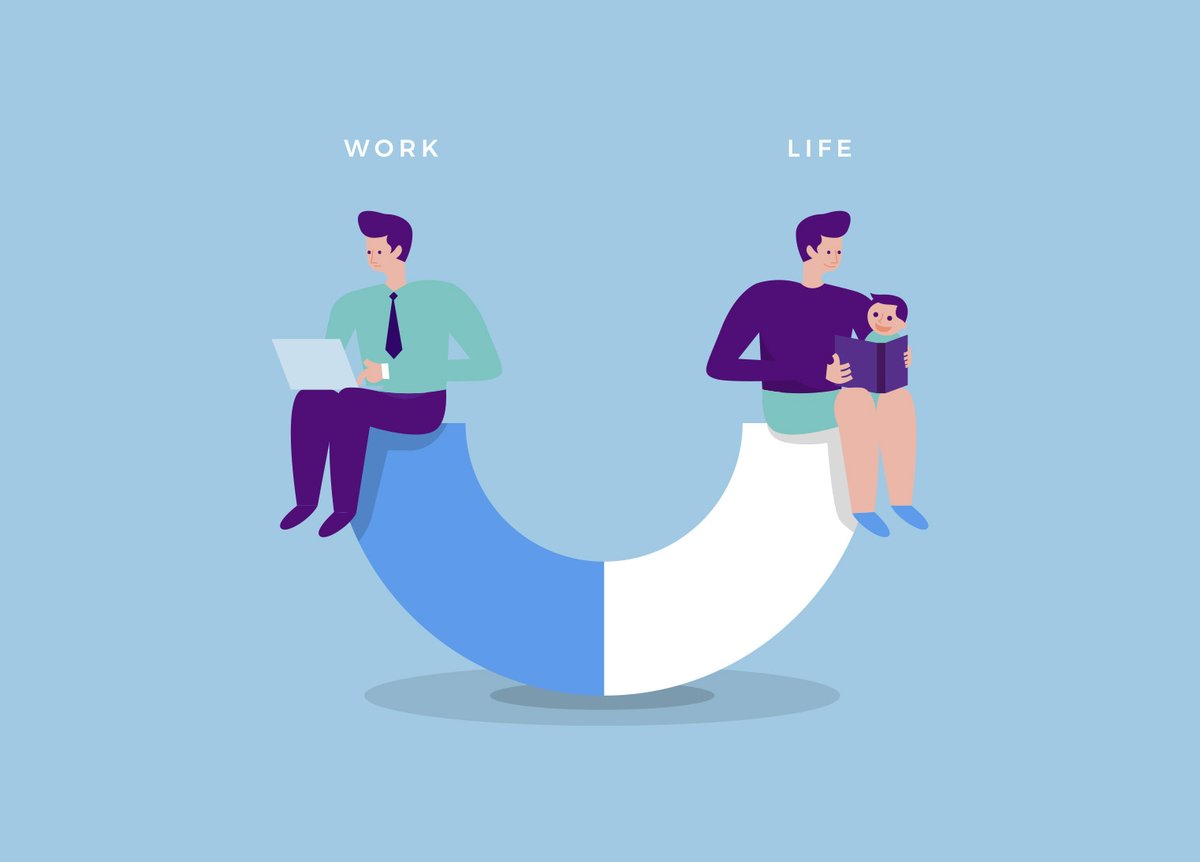
The email pings, the to-do list grows, and the lines blur between your professional obligations and the personal life you're trying so desperately to live. You're not alone if the mere mention of "work-life balance" conjures images of an unattainable tightrope walk. But what if the path to harmony wasn't about rigid schedules and perfect equilibrium, but about a more intuitive, adaptable approach? Welcome to the world of Balancing Work and Personal Life Using a Daily Freeform Approach—a way to reclaim your time, energy, and joy, not by forcing them into a mold, but by letting them breathe.
This isn't about ditching planning altogether; it's about shifting from a fixed, "should-do" mindset to a fluid, "what-serves-me-today" framework. It acknowledges that life is messy, unpredictable, and rarely fits neatly into color-coded blocks. Instead, it empowers you to design a life that flexes with your needs, honors your energy, and puts your well-being first, every single day.
At a Glance: Your Freeform Balance Playbook
- Embrace Flexibility: Ditch rigid schedules for adaptable frameworks that respond to your daily energy and evolving priorities.
- Set Dynamic Boundaries: Establish clear limits for work, but learn to adjust them with intention and communication.
- Prioritize Proactive Self-Care: Integrate micro-moments of well-being throughout your day, making self-care non-negotiable.
- Cultivate Joyful Engagement: Actively schedule and protect time for activities that energize you, treating them as important as work tasks.
- Listen to Your Energy: Align your tasks with your natural energy fluctuations for greater productivity and satisfaction.
- Reflect & Adjust Daily: Regularly check in with yourself, assessing what's working and what needs tweaking for continuous improvement.
- Leverage Tools Smartly: Use digital and physical tools to support your flow, not to constrain it.
- Delegate & Outsource: Free up valuable time and energy by strategically offloading tasks at work and home.
The Illusion of Perfect Balance: Why Rigid Methods Fall Short
For years, we've been told that work-life balance is about perfectly splitting our time 50/50. We draw imaginary lines, meticulously schedule every minute, and then feel like failures when reality inevitably intrudes. A sudden deadline, a child's illness, an unexpected opportunity—life simply doesn't adhere to a fixed planner. This pursuit of "perfect" balance often leads to:
- Burnout: The relentless pressure to maintain an impossible ideal.
- Guilt: Feeling inadequate when personal or professional demands spill over.
- Stagnation: Little room for spontaneity, new interests, or simply being.
- Stress: The constant mental load of managing a fragile, artificial equilibrium.
The daily freeform approach recognizes that balance isn't a static destination; it's a dynamic dance. It’s about creating a framework sturdy enough to hold your ambitions, yet flexible enough to bend without breaking when life inevitably throws you a curveball.
Understanding the 'Freeform' in Daily Freeform
Let's be clear: "freeform" doesn't mean chaos, abandoning all responsibility, or living without any structure whatsoever. Instead, it means:
- Intentional Flexibility: You have a plan, but it's a living document. You consciously choose to adjust, rather than feeling obligated to stick to something that no longer serves you.
- Energy-Driven: You prioritize tasks and activities based on your energy levels and mental state throughout the day, not just a chronological order.
- Needs-Responsive: You listen to your body, mind, and spirit, making choices that genuinely support your well-being in that moment.
- Boundaries with Give: Your limits are clear but can be adjusted consciously when truly necessary, rather than being rigid walls that cause resentment or missed opportunities.
- Focus on Flow, Not Force: You aim to create a rhythm where work, rest, and play blend naturally, reducing friction and increasing satisfaction.
It’s about being the conductor of your orchestra, not a slave to the sheet music.
The Four Essences of a Freeform Life: Inspired by Ancient Wisdom
Drawing inspiration from the "Four Essences of Tea"—Fortitude, Alchemy, Senses, and Renewal—we can cultivate a mindset that underpins true freeform balance. These aren't just abstract concepts; they are practical lenses through which to view and navigate your daily choices.
- Fortitude: Your Inner Strength to Honor Boundaries
- This is the quiet resolve within you to protect what matters. It's the inner strength that allows you to say "no" to an unnecessary late-night email, even when external pressures tempt you to compromise your well-being. Fortitude helps you set personal limits (e.g., no work after 7 p.m.) and communicate them clearly and politely. This inner resilience is crucial for maintaining consistency and earning respect for your boundaries (Herlihy & Corey, 2015).
- Alchemy: Transforming Routines into Purposeful Habits
- Alchemy is the art of turning the mundane into the meaningful. In a freeform context, it’s about transforming your daily routines from mindless chores into purposeful habits that fuel your life. It might be turning your morning coffee into a mindful ritual, or a short walk into a moment of intentional connection with nature. These small, consistent practices accumulate, building a robust foundation for your flexible life.
- Senses: Mindfulness of Your Physical, Emotional, and Mental States
- To truly live freeform, you must be deeply attuned to yourself. This means checking in with your physical comfort, emotional landscape, and mental clarity throughout the day. Are you feeling tired? Stressed? Energized? This mindfulness allows you to adjust your plan on the fly. When you're experiencing tension or racing thoughts, a quick 5-minute mindfulness exercise or a brief walk isn't just a break—it's a responsive act of self-care.
- Renewal: Regularly Refreshing Your Perspective and Adjusting Routines
- The freeform approach thrives on continuous adjustment. Renewal is the practice of regularly stepping back, assessing what's working and what isn't, and making informed changes. It’s about not getting stuck in a rut. Did that new morning routine feel draining? Tweak it. Is a particular task consistently causing stress? Find a new approach. Renewal means celebrating small victories and being patient and flexible with your progress.
Pillars of Your Flexible Framework: Psychology-Backed Strategies for Flow
With the freeform mindset in place, let's explore three core psychological strategies that, when applied with flexibility, form the backbone of a balanced life.
Pillar 1: Setting Fluid Yet Firm Boundaries
Boundaries are not fences built to keep others out; they are clear lines drawn to protect your inner peace and personal space. In a freeform context, these lines are resilient and adaptable, not rigid.
Why it matters: Establishing clear boundaries creates a vital separation between your professional and personal realms (Herlihy & Corey, 2015). This separation is foundational for preventing work from infringing on your personal time and vice versa. Without it, you risk constant intrusions and a perpetual feeling of being "on."
Freeform Nuance: Instead of absolute "never" statements, consider "rarely" or "by exception." For instance, "I typically don't check emails after 7 PM, but if there's an urgent client matter, I'll respond within the agreed-upon timeframe." This builds trust and flexibility without compromising your core limits.
Action Steps:
- Identify Your Personal Limits: Pinpoint your non-negotiables. What time will you truly "log off"? Which days are sacred for personal pursuits?
- Communicate Clearly and Politely: Inform colleagues, clients, and family about your boundaries. "I'll be offline after 6 PM to focus on family time, but I'll catch up first thing in the morning."
- Maintain Consistency (with room to pivot): While consistency reinforces respect for your limits, the freeform aspect means you can consciously choose to adjust for a truly exceptional situation, then quickly return to your boundary.
- Practical Tip: Leverage technology. Use "Do Not Disturb" functions on your phone or specific "off-hours" settings for work communication apps. Some planners now allow you to designate "personal hours" that automatically mute work notifications.
Pillar 2: Prioritizing Proactive Self-Care – Your Daily Recharge
Self-care isn't a luxury; it's an ethical mandate (Bradley et al., 2013) and a critical component for preventing burnout (Figley, 1995; Maslach & Jackson, 1981; Pines & Maslach, 1978). In a freeform approach, self-care is woven throughout your day, not relegated to a single, often missed, appointment.
Why it matters: Your physical, psychological, intellectual, social, and spiritual needs are the fuel for your life. Neglecting them leads to depleted energy, reduced productivity, and overall dissatisfaction. Prioritizing self-care ensures you're showing up as your best self, both at work and at home.
Freeform Nuance: Instead of blocking out an hour for "gym," consider building in micro-moments of movement, mindfulness, and nourishment. A 10-minute stretch between meetings, a mindful walk around the block during lunch, or a quick deep breathing exercise before a challenging task. Listen to your body's specific needs that day.
Action Steps:
- Create a Flexible Well-being Checklist: Beyond just "eat well" or "exercise," think about specific, achievable actions: "drink water," "stretch for 5 minutes," "call a friend," "read for pleasure."
- Schedule "Me Time" as a Sacred Slot (with options): Whether it's journaling, meditation, or simply quiet contemplation, designate this time as non-negotiable. Have a few "mini-me time" options for days when a longer session isn't possible.
- Conduct Regular Check-ins: Throughout your day, pause and ask yourself: "How am I feeling physically, mentally, and emotionally?" This allows you to address stress proactively before it escalates.
- Practical Tip: Keep a "Well-being Toolkit" handy—a specific playlist, a favorite herbal tea, a journal, or even just a comforting scent. These small anchors can quickly shift your state when you need them.
Pillar 3: Engaging in Joyful Activities – Beyond the To-Do List
Work fulfills a purpose, but joyful activities outside of work provide meaning, connection, and a vital sense of renewal (Thoits, 2011). These pursuits prevent monotony, foster creativity, and significantly contribute to overall well-being.
Why it matters: Human beings thrive on varied experiences and a sense of accomplishment beyond their professional roles. Cultivating hobbies, nurturing relationships, and exploring new interests provide an essential counterweight to work demands, creating a richer, more balanced existence.
Freeform Nuance: Treat your personal "fun" activities with the same importance as work tasks—even in your scheduling. Instead of "if I have time, I'll paint," make it "Painting session at 4 PM" and protect it. Allow for spontaneity, but within a framework that ensures these activities actually happen.
Action Steps:
- Explore New Interests (or Revisit Old Ones): What sparks your curiosity? Dance, cooking, learning an instrument, gardening, coding, hiking—the possibilities are endless. Don't overthink it; just try something new.
- Cultivate Supportive Relationships: Intentionally connect with friends, family, or community groups. Schedule regular catch-ups, even if they're brief. Strong social ties are a powerful buffer against stress.
- Schedule Leisure Pursuits: Put hobbies, nature walks, creative projects, and social gatherings directly into your calendar. View them as non-negotiable appointments for your well-being.
- Practical Tip: Use a "joy list." Keep a running tally of activities that bring you genuine happiness. When you have an unexpected pocket of free time, you'll have instant inspiration for how to use it meaningfully.
Your Daily Freeform Planning Playbook: 16 Adaptable Strategies
Traditional planning can feel restrictive, but a daily freeform approach leverages planning as a flexible guide, not a rigid rulebook. It's about setting intentions, managing energy, and embracing adaptability.
- Vision, Not Just Goals: Establishing Clear Life Objectives
Instead of just work goals, define what a fulfilling life looks like for you across all domains: health, relationships, personal growth, work, community. This broader vision acts as your compass, guiding your daily freeform decisions and ensuring that work serves your life, not the other way around. - Impact Over Urgency: Agile Task Prioritization
Shift your focus from simply doing tasks to completing those that have the most significant impact on your overall vision. Use a flexible prioritization method (e.g., Eisenhower Matrix) but adapt it daily based on your current energy and context. What's truly important today? - Flexible Time Blocking: Guiding Your Energy, Not Dictating It
Allocate specific blocks of time for categories of tasks (e.g., "Deep Work Focus," "Creative Time," "Communication," "Personal Recharge"). These blocks are guides, not unbreakable mandates. If you wake up feeling creative, shift your "Deep Work Focus" to a later time and engage with a creative task while your energy is aligned. For a detailed guide on structuring your freeform schedule today, check out our comprehensive resource. - Dynamic Work-Life Boundaries: Your Personal Firewall
Reiterate your boundaries (as discussed above) but maintain an awareness that they can be consciously and rarely adjusted. The key is conscious adjustment, not accidental infringement. Communicate any shifts transparently. - Smart Tech, Not Strict Tech: Utilizing Digital Tools Wisely
Use apps and software (calendars, task managers, habit trackers) to support your freeform approach, not to make it rigid. Set reminders for breaks, use shared calendars for family activities, and leverage notification settings to protect your focus. The goal is to offload mental load, not add to it. - Micro-Breaks & Macro-Rest: The Power of Pauses
Integrate frequent, short breaks (5-10 minutes) throughout your workday. These aren't luxuries; they're essential for mental health and sustained productivity. Step away from your screen, stretch, grab water, look out a window. Also, ensure you're getting adequate macro-rest (sleep, weekends, vacations). - Environment as an Ally: Optimizing Your Spaces
If possible, create clear physical distinctions between your work and personal spaces. Even a small ritual like putting away your laptop or changing clothes after work can help your brain transition, enhancing efficiency and mental separation. - Growth on Your Terms: Planning for Personal Development
Beyond work-related training, allocate time for learning or growth that interests you. This could be reading non-fiction, taking an online course on a hobby, or simply dedicating time to reflective journaling. This fuels your intellectual and spiritual needs. - Daily Dials: Including Time for Reflection & Adjustment
This is paramount for a freeform approach. At the end of each day (or beginning of the next), take 10-15 minutes to review: What went well? What was challenging? What adjustments can I make for tomorrow? This continuous feedback loop prevents you from drifting off course. - Energy-First Scheduling: Managing Your Internal Clock
Identify your personal energy peaks and troughs. Are you a morning person for deep focus, or do you hit your stride in the afternoon? Schedule your most demanding tasks during your peak energy times and lighter, administrative tasks during your lower energy periods. - Smart Delegation: Sharing the Load, Gaining Freedom
At work, identify tasks that can be delegated to team members. At home, involve family members in chores or outsource tasks that don't require your direct attention. This frees up your time and energy for higher-priority work and personal activities. - Embrace the Pivot: The Art of Flexibility
Life happens. Instead of resisting unexpected events or changing priorities, develop the ability to pivot. If a planned activity gets derailed, instead of getting frustrated, calmly assess your options and adjust your schedule for the rest of the day. This reduces stress and builds resilience. - Connecting & Recharge: Nurturing Your Relationships
Intentionally schedule time for friends, family, and your community. These connections are vital for emotional well-being and a sense of belonging. Make these social connections a regular, protected part of your freeform plan. - Non-Negotiable "Me Time": Your Personal Sanctuary
Carve out dedicated time each day or week for activities that are purely for your enjoyment and relaxation. This "me time" is not contingent on getting all your work done; it's a fundamental part of your well-being. - Contingency Cushions: Planning for the Unexpected
Build buffer time into your schedule. Don't pack your day back-to-back. Having a little wiggle room allows you to handle unexpected issues (a longer meeting, an urgent request, traffic) without derailing your entire day or sacrificing personal time. - Strategic Outsourcing: Buying Back Your Time
Consider outsourcing non-essential tasks that consume your time and energy but don't bring you joy or unique value. This could be meal prep, house cleaning, or certain administrative tasks, freeing you up for crucial work and personal pursuits.
Common Misconceptions About Freeform Balance
As with any innovative approach, the daily freeform method often sparks a few common misunderstandings. Let's clarify:
- "It means no planning at all."
Absolutely not. A freeform approach is about flexible and intentional planning. You still set goals, prioritize, and structure your days, but with the understanding that this structure is a guide, not a dictator. It's about letting your schedule serve you, not the other way around. - "It's only for creative types or entrepreneurs."
While it resonates strongly with those who value autonomy, the principles of energy management, dynamic boundaries, and proactive self-care are universal. Anyone, regardless of their profession or industry, can benefit from integrating more flexibility and responsiveness into their daily life. - "It's just another productivity hack."
The freeform approach goes far beyond mere productivity. While it can certainly enhance efficiency, its primary goal is holistic well-being, reduced stress, and increased life satisfaction. It's a fundamental shift in how you relate to your time, energy, and priorities across all aspects of your life.
Measuring Your Freeform Success: Beyond the Checklist
How do you know if the daily freeform approach is truly working for you? It's less about checking off every single item on a list and more about qualitative shifts in your experience.
- Increased Energy Levels: Do you feel more energized throughout your day and week, rather than constantly depleted?
- Reduced Stress & Overwhelm: Are you less anxious about your workload and more able to handle unexpected challenges calmly?
- Improved Relationships: Do you feel more present and connected with your loved ones?
- Greater Sense of Purpose: Are you engaging in activities that genuinely fulfill you, outside of work?
- Less Guilt: Are you able to protect your personal time without feeling guilty about work, or vice versa?
- Enhanced Adaptability: Can you gracefully adjust your plans when life throws you a curveball, rather than feeling completely derailed?
Focus on these feelings and outcomes. Your success isn't measured by a perfectly executed calendar, but by a more peaceful, productive, and joyful existence.
Making the Shift: Your First Steps Towards Freeform Living
Embracing a daily freeform approach isn't an overnight transformation; it's a journey of continuous learning and adjustment. Here's how to begin:
- Start Small: Don't try to overhaul everything at once. Pick one or two strategies that resonate most—perhaps setting a firm "no emails after X PM" boundary, or scheduling 15 minutes of "me time" daily.
- Observe & Reflect: For a week, simply observe your current routines and energy patterns. When do you feel most productive? Most drained? What activities genuinely recharge you? Your daily reflection (tip #9 from the playbook) is your most powerful tool.
- Experiment Fearlessly: This is your freeform life, so there's no single "right" way. Try time blocking with flexibility, experiment with energy-first scheduling, or try a new self-care ritual. If something doesn't work, don't see it as a failure, but as valuable data.
- Be Patient and Kind to Yourself: There will be days when your freeform plan feels utterly derailed. That's okay. Acknowledge it, learn from it, and gently guide yourself back. Self-compassion is a cornerstone of sustainable balance.
- Celebrate Small Wins: Each time you honor a boundary, take a mindful break, or protect time for a joyful activity, acknowledge it. These small victories build momentum and reinforce the positive changes you're making.
Ultimately, balancing work and personal life with a daily freeform approach is about reclaiming agency over your time and energy. It's a commitment to living intentionally, adapting gracefully, and building a life that feels genuinely good, day after dynamic day.